
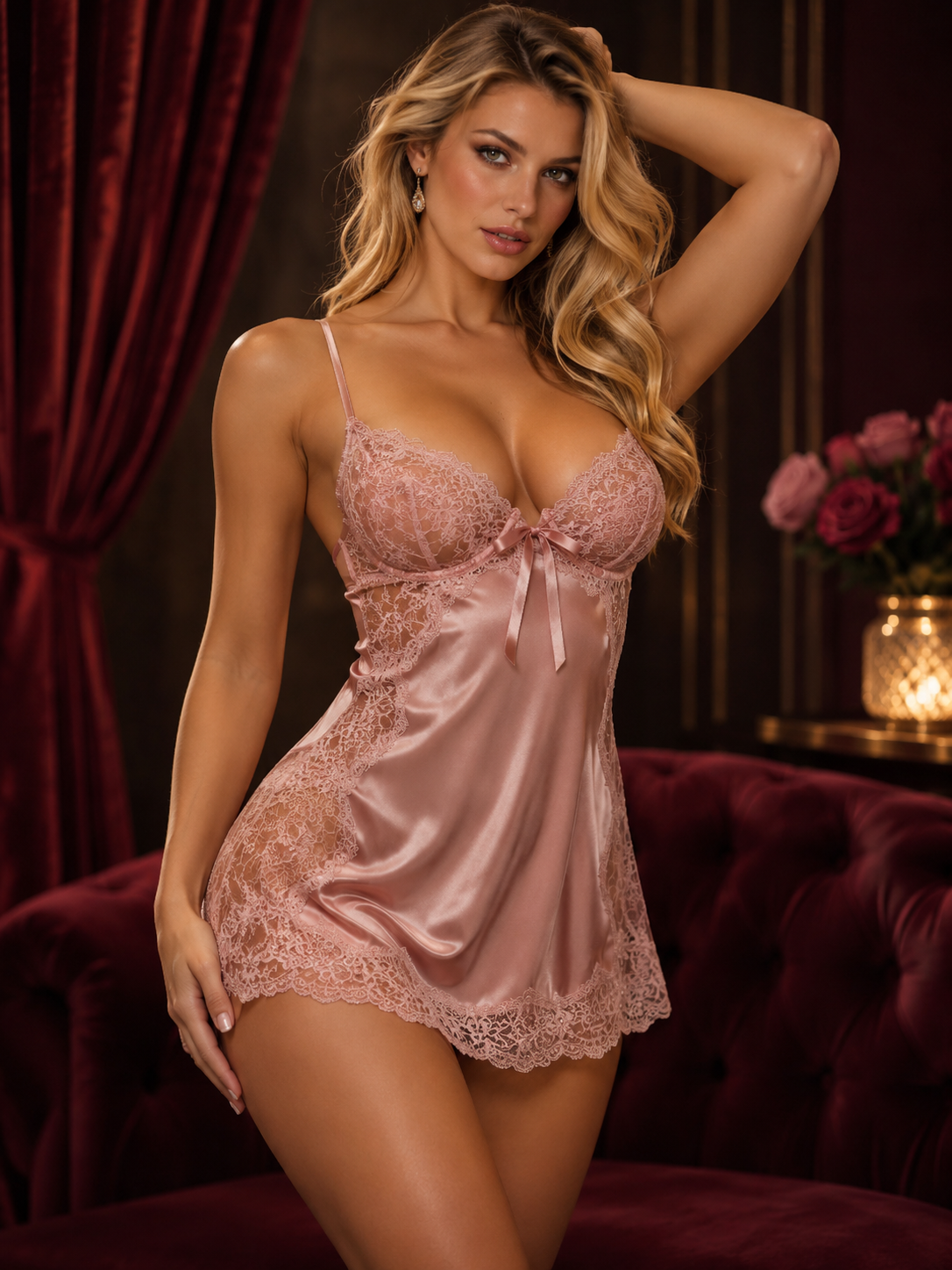
The main types of lingerie include bras, panties, coordinated sets, and one-piece styles such as bodysuits, teddies, babydolls, and slips. You can choose among them by considering your preferred coverage, the support you want, the clothes you plan to wear, and how each fabric feels against your skin.
Different types of lingerie can work as everyday layers or special-occasion pieces, from practical basics to expressive, sexy lingerie. When you start with fit and comfort, it becomes easier to choose styles that feel like you.
Key Takeaways
- Choose bras and panties around your support and coverage preferences.
- Match one-piece styles and fabrics to your plans and comfort.
- Check sizing, closures, and care labels before choosing a piece.
Types of Lingerie: Bras, Panties and Matching Sets
Bras, panties, and matching sets form a versatile foundation for your lingerie wardrobe. Each style offers different coverage, support, and ways to work with your outfits.
Bras for Different Necklines and Support Needs
A bra’s shape and construction affect how it supports you and how it sits under clothing. T-shirt bras have smooth cups that work well beneath close-fitting tops, while balconette styles have a lower, wider neckline that can pair with square or scoop necklines.
For strapless or off-the-shoulder outfits, a strapless bra keeps shoulder straps out of view. A bralette has a lighter, less structured feel, while a plunge bra has a deeper center that suits lower necklines. If you want extra coverage or support, look for fuller cups, wider straps, and a firm band.
Panties and Brief Styles
Panty styles range from fuller coverage to minimal coverage, so you can choose a cut that feels secure and works with your clothes. Briefs cover more of your hips and rear, while bikinis have a lower rise and higher leg openings.
Boyshorts offer more coverage across the hips, and thongs have a narrow back that can reduce visible panty lines under fitted clothes. High-waisted styles sit higher on your torso and cover more of your midsection. Check where the waistband and leg openings rest on your body; a good fit stays in place without digging in.
Matching Lingerie Sets
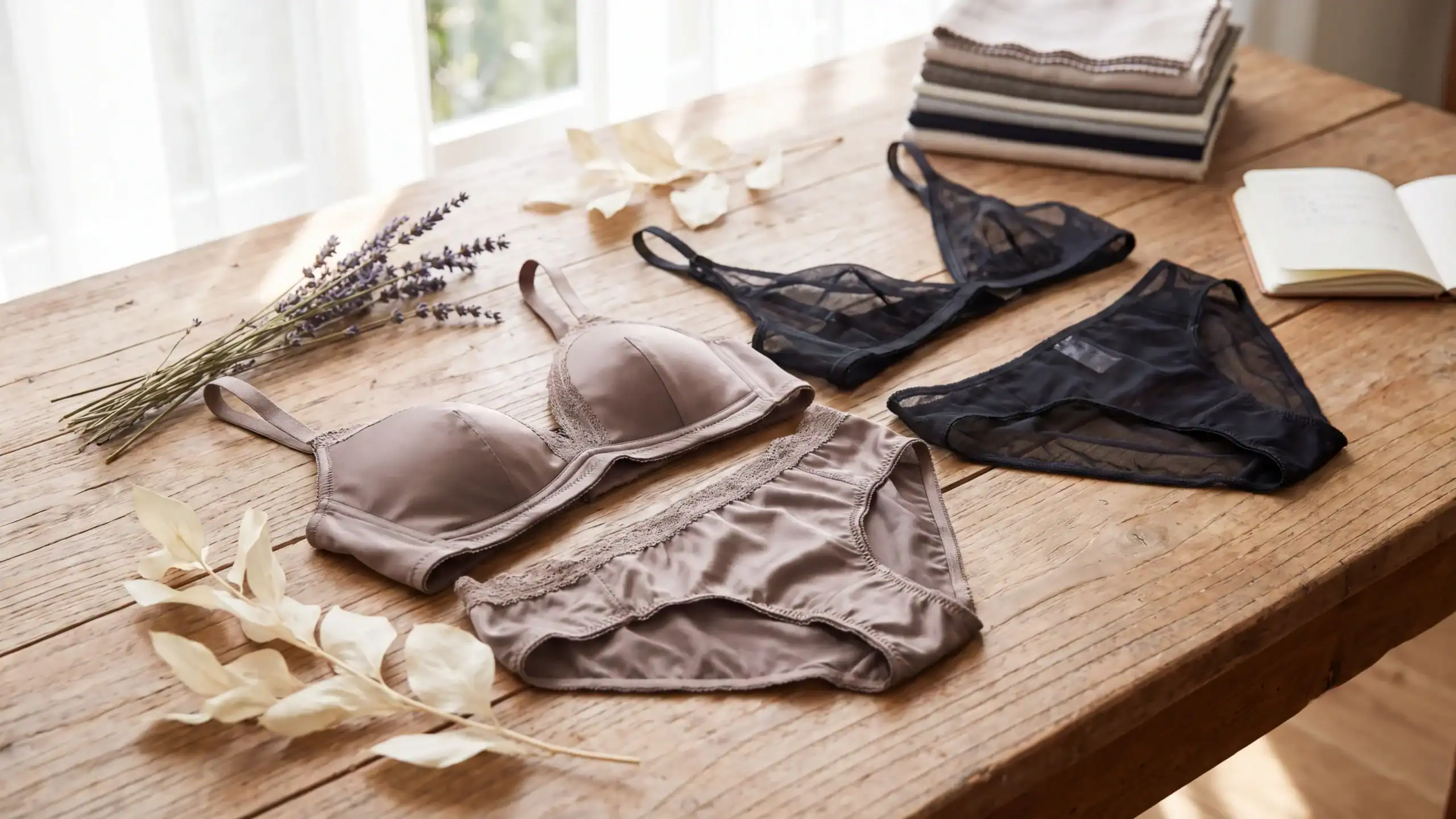
A matching set pairs a bra and panties in coordinated fabrics, colors, or details. Among the most versatile types of lingerie, coordinated sets can be practical everyday pieces or decorative styles with lace, mesh or satin accents. Explore lingerie sets to compare looks.
Sets make it easier to create a coordinated look, while separate pieces give you more flexibility with sizing and coverage. If the bra and panty fit differently across brands or styles, choose each piece for its own comfort and fit.
Types of Lingerie: Bodysuits, Teddies and Babydolls
One-piece lingerie styles combine a top and bottom in a single garment, with differences in coverage, shape, and intended use. Your choices include close-fitting silhouettes, flowing nightwear, and lighter layering pieces.
Bodysuits
A bodysuit is a fitted one-piece that covers the torso and often fastens at the crotch, although closures vary by style. Of the different types of lingerie, bodysuits are especially versatile: you can wear one on its own or layer it beneath pants, skirts or jackets. See the lingerie bodysuit collection for examples.
Look at the neckline, leg opening, and closure when choosing one. A lace or mesh bodysuit creates a more decorative look, while a smooth stretch style may sit neatly under clothes.
Teddies
A teddy is a one-piece lingerie garment that combines a top and panty in a single design. It may have a close fit, adjustable straps, lace panels, or a plunging neckline, depending on the style.
You can choose a teddy for its coordinated, single-piece look. Check the torso length and strap adjustment, since those details affect how comfortably it sits on your body.
Babydolls and Chemises
A babydoll has a fitted bodice with a loose, flowing section that falls over the torso. A chemise is a simple, loose-fitting garment that usually falls from the shoulders toward the upper or mid-thigh. Compare styles in the babydoll lingerie collection.
Both styles offer a relaxed silhouette for lounging or sleepwear. Fabric, hem length, and strap adjustability help determine how each one feels and where it falls.
Slips and Camisoles
A slip is a lightweight garment designed to layer under clothing or serve as nightwear. A camisole is a sleeveless top that you can wear on its own for lounging or layer beneath a shirt or sweater.
For layering, choose a smooth fabric and a cut that sits comfortably under your clothes. Lace trim or satin details give these styles a dressier look.
How Do Lingerie Styles Suit Different Occasions?
The right lingerie style helps you feel comfortable for the activity and outfit you have in mind. Everyday essentials prioritize ease of wear, while special-occasion and sleepwear styles offer different looks and levels of coverage.
Everyday Wear
For daily wear, choose pieces that stay comfortable through your routine and work with the clothes you wear most. A smooth-cup bra can sit neatly beneath fitted tops, while a wireless bra or bralette gives you a softer, less structured option.
Briefs, bikinis, and boyshorts offer different coverage preferences. If visible lines are a concern with a particular outfit, try a seamless edge or a cut that sits smoothly beneath the fabric.
Date Nights and Special Occasions
For a special occasion, you might choose sexy lingerie in lace, mesh, satin or a coordinated set that suits your personal style. A plunge bra can work with a lower neckline, and a bodysuit or teddy offers a one-piece look. Whatever types of lingerie you prefer, comfort and fit still matter.
The outfit still guides the fit and shape you choose. Check that straps, seams, and closures sit comfortably when you move, sit, or wear the piece beneath clothing.
Sleepwear and Relaxing at Home
For sleep or lounging, prioritize breathable, soft-feeling fabrics and a fit that lets you move easily. Chemises, babydolls, camisoles, and relaxed shorts sets provide different levels of coverage.
Consider whether you prefer a close-fitting or flowing silhouette, along with the hem length and strap style. A piece that feels comfortable at rest should also allow you to shift positions without constant adjusting.
Types of Lingerie Fabrics: Lace, Mesh, Satin and Cotton
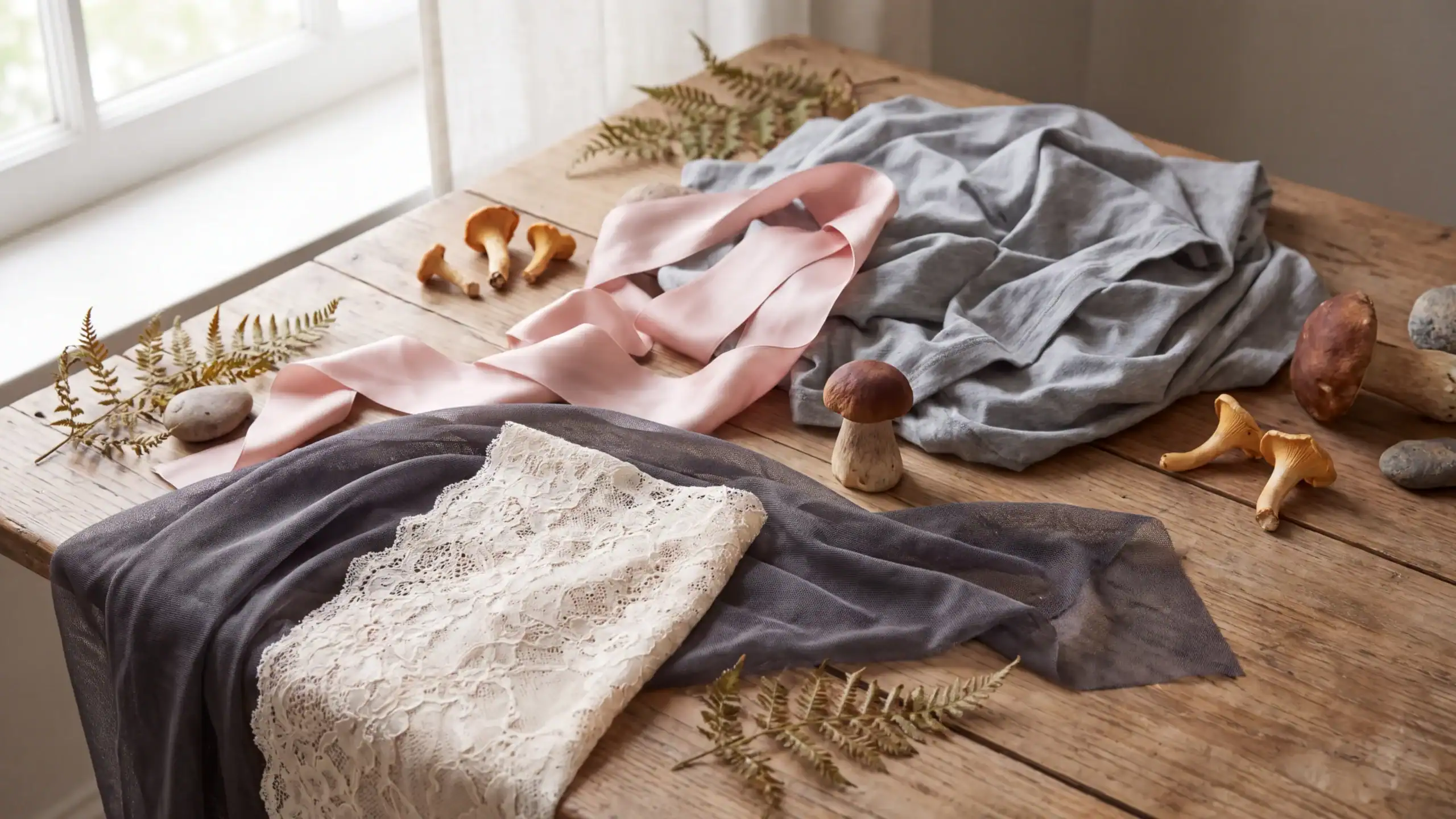
Lingerie fabrics affect how a piece feels against your skin, how it drapes, and how much care it needs. Lace and mesh bring texture, satin and silk create a smooth finish, and cotton or stretch blends suit practical everyday wear.
Lace and Mesh
Lace adds pattern and texture, while mesh ranges from soft and stretchy to firmer, more decorative varieties. Both fabrics can appear as a full garment or as panels alongside smoother materials.
Check the seams and edges for a comfortable feel against your skin. Delicate lace calls for careful handling, especially around hooks, straps, and trim.
Satin and Silk
Satin has a smooth, glossy surface, while silk is a natural fiber with a soft hand and fluid drape. You’ll find these materials in slips, camisoles, robes, and lingerie sets.
Check the garment’s care label before washing, since fabric blends and finishes can have different care needs. If you prefer a lower-maintenance piece, a satin-finish synthetic may have different care instructions from silk.
Cotton and Stretch Fabrics
Cotton feels soft and breathable, making it a practical option for everyday underwear and sleepwear. Stretch fabrics, such as elastane blends, help garments move with your body and maintain a close fit.
Fabric composition matters alongside the style. Look at the label for the fiber blend, and consider how the fabric feels where it touches your skin.
How to Find the Right Fit for Different Types of Lingerie
A comfortable fit comes from checking how the garment sits and moves on your body. Start with the bra band and cups, then review adjustable details and the way panties fit at the waist and legs.
Check Bra Band and Cup Fit
A bra band should sit level around your body and feel secure without pinching. The cups should contain your breast tissue smoothly, with no spilling or empty space that affects the fit.
Try the bra on its loosest hook when it is new, so you have room to tighten the band as the elastic wears. If the band rides up or the cups shift when you move, try a different size or shape.
Look for Adjustable Straps and Closures
Adjustable straps let you fine-tune the height and support of a bra or one-piece. Multiple hook settings give you options for adjusting the band as the garment changes with wear.
When you try a piece on, move your arms and sit down to check for slipping, pulling, or uncomfortable pressure. For a bodysuit or teddy, check that the torso length feels comfortable and that any crotch closure stays in place.
Choose Panties That Feel Secure
A well-fitting pair of panties stays in place without cutting into your waist or legs. Check the waistband and leg openings while standing and sitting, since both positions affect how the fabric rests on your body.
If the fabric bunches or shifts, try a different size or cut. You can also compare rises and leg openings to find a style that feels secure beneath the clothes you wear.
How Should You Choose and Care for Lingerie?
Choose lingerie by starting with how you plan to wear it, then check the fit, fabric, and care instructions. A few practical checks help you select pieces that suit your routine and preserve delicate details.
Use a Practical Shopping Checklist
Before choosing among the many types of lingerie, consider:
- Purpose: Decide whether you want everyday support, a layer for a particular outfit, sleepwear, or a special-occasion style.
- Coverage and shape: Pick the bra neckline, panty cut, or one-piece silhouette that feels right for you.
- Fit details: Check the size chart, adjustable straps, closures, and fabric stretch.
- Care needs: Read the label and consider whether you’re comfortable with the required washing and drying routine.
You can compare the garment’s listed fabric and sizing details with your own comfort preferences. If you’re between sizes or unsure about a style, the lingerie fitting room offers fitting guidance.
Follow Fabric Care Labels
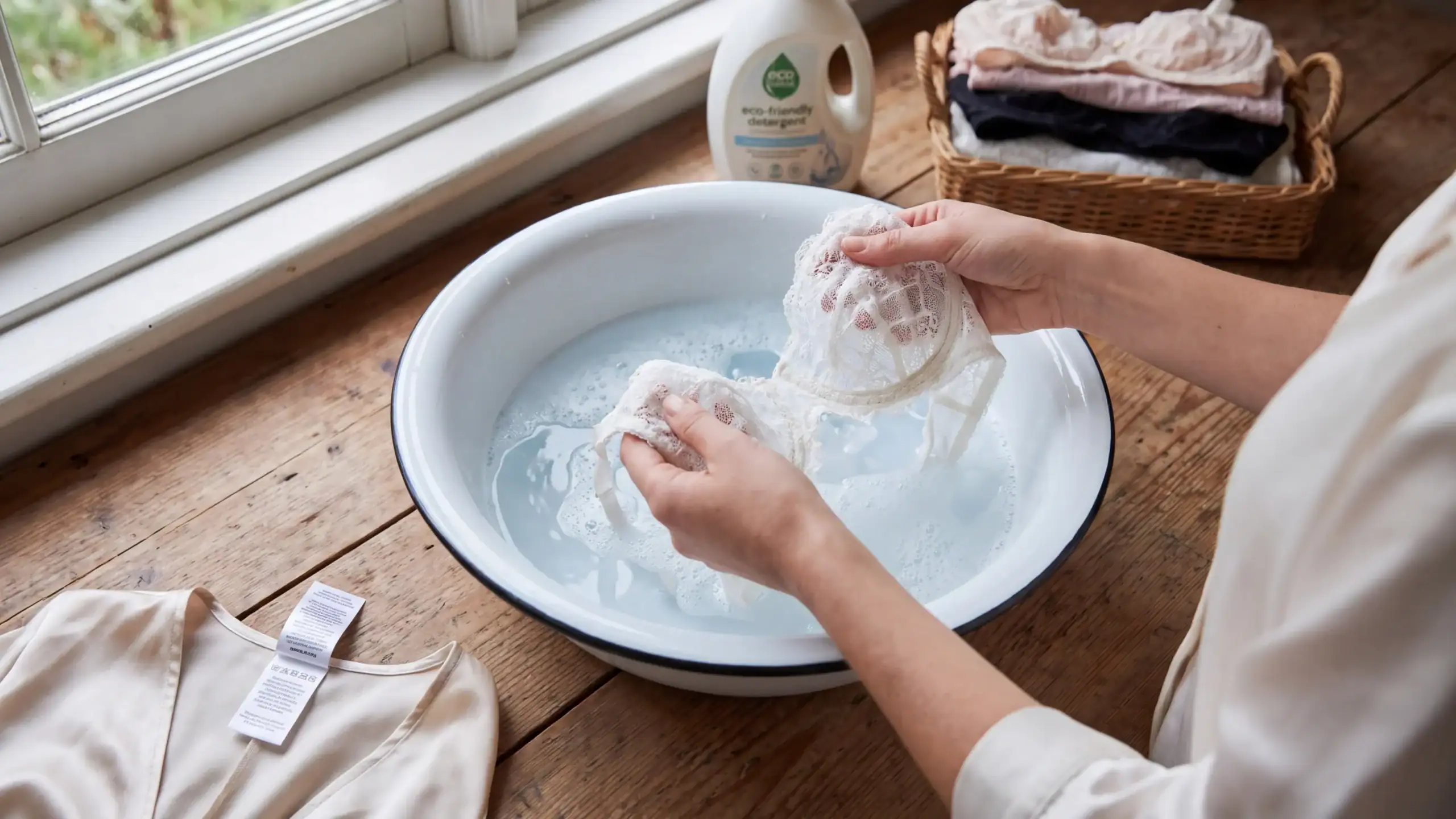
Care labels give you garment-specific washing and drying instructions. Follow them closely, since heat, friction, and harsh detergents can affect delicate fabrics and elastic.
For lace lingerie, handwashing in cool water with a gentle detergent helps protect the trim and fabric. Delicate lace and silk can be damaged in a washing machine, and handwashing is recommended for those pieces (delicate lingerie care guidance).
Store Delicate Pieces Carefully
Store bras with molded cups so the cups keep their shape, and fasten hooks to reduce snagging. Keep lace and mesh pieces away from rough zippers or embellishments that can catch on the fabric.
Fold soft garments gently and separate delicate pieces from items with hooks or sharp details. A drawer divider or fabric pouch helps keep straps and trims from tangling.
Choose Lingerie That Suits Your Comfort and Plans
The right lingerie for you combines a comfortable fit with a style that suits your plans. Whether you prefer everyday essentials or sexy lingerie with bold details, your preferred coverage, fabric, support and care routine can guide you toward pieces you’ll feel at ease wearing.
Lingerie Brat’s lingerie collection includes styles such as sets, bodysuits, teddies, babydolls, and sleepwear. Use the fabric details, size information, and care labels to narrow your choices to pieces that fit your needs.
Frequently Asked Questions About Types of Lingerie
What Is the Difference Between a Teddy and a Bodysuit?
A teddy is a one-piece lingerie style that combines a top and panty, often with decorative details. A bodysuit has a fitted, clothing-like silhouette and may include a crotch closure, making it easy to layer under outfits.
What Lingerie Styles Are Comfortable for Everyday Wear?
Smooth-cup bras, wireless bras, bralettes, and well-fitting panties are common everyday options. Choose the support, coverage, and fabric that feel comfortable through your routine.
How Do I Choose Lingerie if I Am Unsure of My Size?
Check the brand’s size chart and compare it with your current measurements before choosing a size. Pay attention to how the band, cups, straps, waistband, and leg openings feel when you move.
What Fabrics Are Best for Lingerie?
Cotton and stretch blends are practical options for everyday wear, while lace, mesh, satin, and silk offer different textures and finishes. Check the garment’s care label and choose a fabric that feels comfortable against your skin.
How Should I Wash Lace Lingerie?
Handwash lace lingerie in cool water with a gentle detergent, then follow its care label for drying. Handle the fabric carefully around seams and trim to reduce snagging.
Find your next favorite piece
From romantic lace and delicate mesh to bold one-piece silhouettes, explore lingerie that feels distinctly you.
Explore the Lingerie Collection